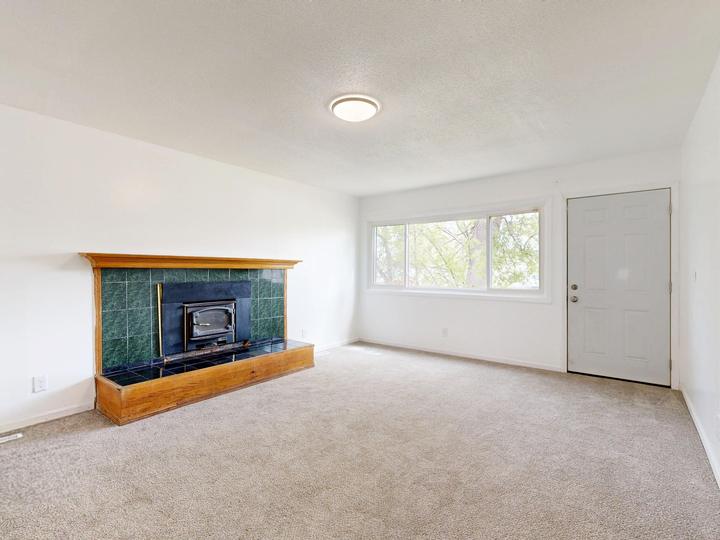
Fireplace Insert Installation for Lakeland Homes
Select an insert for the actual host fireplace and its connected venting.
- Licensed & insured
- Owned and run locally
- Family owned and run
- Same-day service available
Get Your Free Inspection
Thank you for the details
We will follow up to agree on an appointment.
Prefer the phone? Call (863) 312-5129
What Your Free Inspection Covers
- Identify host construction and chosen appliance
- Plan the complete vent connection
- Coordinate hearth, surround and practical access
- Provide the new operating and maintenance information
Jump to
The Work, Explained
Establish what the existing opening contains
An older masonry fireplace, a factory-built unit and an opening that has already been altered can require different decisions. Ask what construction is present and whether the selected insert is suitable within it. Share existing records and describe known changes without removing components yourself. A model that fits the width and height is not automatically compatible with the host fireplace. The assessment should identify what remains, what must change and what further information is needed. This prevents a decorative product choice from becoming an installation plan before the actual setting is understood.
Choose the appliance category before planning finishes
A wood burning fireplace insert has different requirements from a gas or electric product. Wood burning fireplace insert installation should account for the fuel, connected passage and the manufacturer's intended arrangement. Wood stove insert installation does not mean any freestanding stove can simply be placed inside an opening. Ask which specific product the proposal describes. If the project is gas, gas insert installation has a separate set of supply and venting decisions. The category should be clear before trim or surrounding finishes are chosen for it.
Specify the connected passage with the insert
A fireplace insert install needs a complete venting decision rather than an assumption that the old chimney remains suitable as found. Ask how the appliance will connect and which lining or termination components are proposed. Chimney liner installation may be part of the overall project, but it should be identifiable in the scope. The product and appliance requirements determine compatibility. Do not mix components because they fit physically or reuse an unidentified part by default. The homeowner should understand the completed route and any retained construction that still requires assessment.
Account for the hearth and surrounding construction
The chosen appliance can affect the required relationship to the hearth and nearby finishes. Ask whether the existing arrangement remains suitable and which work is needed to complete the project. A decorative surround panel should not conceal an unresolved condition or obstruct intended service access. If another contractor is renovating the room, coordinate the appliance requirements before finishes are installed. A new insert may be one part of a broader project, but the estimate should distinguish its boundaries. That clarity prevents installation work from being compared with a quote that covers only the appliance purchase.
Plan practical access and changes in equipment
Explain restrictions around the entry route, room and working area before installation is scheduled. The project team should determine handling and protection rather than rely on the homeowner to move building components. If the selected appliance becomes unavailable, review the effect of any substitution on the installation. Similar dimensions do not guarantee identical requirements. Keep the final model in the agreed scope so connected materials and finish decisions follow the actual product. A change made during ordering should not quietly alter the system that the homeowner originally approved.
Leave with instructions for the new arrangement
Retain the appliance model, venting description and owner guidance. The household should follow the insert instructions rather than the habits used with the previous open fireplace. Ask which completion steps remain before use and how routine maintenance will be organized. An installation does not automatically resolve every unrelated defect in older surrounding construction. If an abnormal operating condition occurs, pause use and obtain the appropriate assessment. Clear records help future service recognize the installed system and distinguish a maintenance task from a new component concern.
Related Chimney Services

Read Before You Book
What a Visit From Our Lakeland Team Looks Like
Fireplace insert installation slides a wood, gas or electric insert into an existing masonry fireplace so it burns cleaner and heats better. A wood or gas insert needs a full-length liner connected to it, sized to the maker's instructions. The firebox and chimney are checked first, because the insert relies on both.
-
Family owned and run
Call a family-owned business that explains the job before any work begins.
-
Owned and run locally
Locally owned and operated from our Lakeland office, with work limited to Lakeland, Winter Haven and Auburndale.
-
No hidden fees
The agreed task and price are discussed together. Added work requires another conversation.
-
Workmanship warranty
Repair workmanship is backed by a warranty. Ask what the completed job covers and how to care for it.
A Service Offer After Your Inspection
After the free inspection, you have 72 hours to book any service with 10% off.
Questions Lakeland Homeowners Ask Us
What does fireplace insert installation involve?
Fireplace insert installation starts with an inspection of the firebox, damper and chimney the insert will rely on. The damper is removed or blocked open, a liner runs from the insert up the full chimney and the insert is set and sealed with a surround. A new cap closes the top.
What affects fireplace insert cost?
The price of a fireplace insert turns on its size and fuel, the liner length and any repairs the firebox or flue needs first. A custom surround or blower kit adds to it, and each item is listed in the written estimate.
Does a fireplace insert need a chimney liner?
Yes. A wood insert needs a full-length liner from its outlet to the top of the chimney, sized to the maker's instructions. The liner keeps the draft strong and the exhaust out of the old masonry flue. NFPA 211 calls for that direct connection. Insulating the liner helps it draft and keeps deposits down.
Does a fireplace insert fan need to be on?
No. An insert heats by radiation without its blower, but the fan pushes far more warm air into the room. Running the fan once the insert is hot spreads the heat and keeps the outer shell cooler, while some models start the fan on their own at a set temperature.
Chimney & Fireplace Brands We Work With






Call a Chimney Company That Stays Local
Calling from Lakeland, Winter Haven or Auburndale? Tell us what the fireplace or chimney is doing, and we will set up a free inspection, quote the job in writing and start only after you say yes.