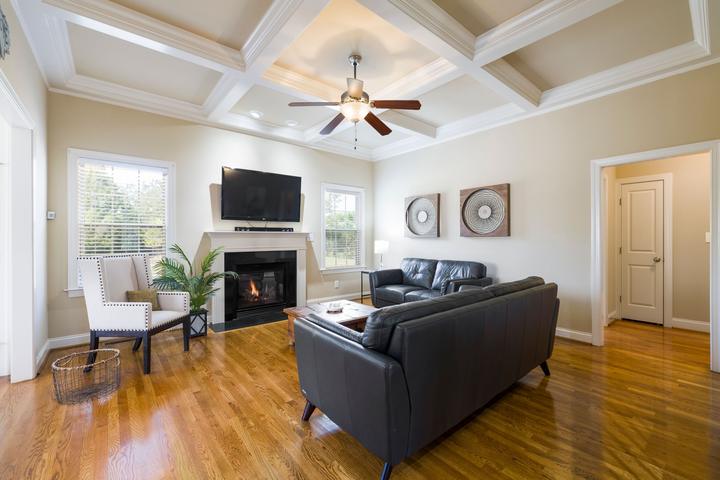
What Is a Catalytic Fireplace Insert?
A catalytic insert passes its smoke through a coated honeycomb before it leaves the flue. Here is how that works and what it asks of you.
- Licensed & insured
- Owned and run locally
- Family owned and run
- Same-day service available
Get Your Free Inspection
Thank you for the details
We will follow up to agree on an appointment.
Prefer the phone? Call (863) 312-5129
Short version
Catalytic fireplace inserts burn wood and use a coated ceramic honeycomb, called a combustor, to burn smoky exhaust a second time before it leaves the flue. According to the EPA's guidance on catalytic wood stoves, this design can give a long, even heat but is slightly more complicated to operate and needs an owner who will maintain it.
Jump to
The Work, Explained
How a catalytic combustor works
A fire gives off smoke and gas that a plain firebox lets escape. The EPA describes the catalytic design this way: the smoky exhaust passes through a coated ceramic honeycomb where it burns. The EPA says catalytic designs are capable of a long, even heat output. When we look at a catalytic insert, a technician checks these parts.
- The combustor, which is the coated honeycomb and the part that wears out.
- The bypass or damper control, which lets the fire start before the combustor takes over.
- The door gasket and glass, which keep air from entering where it should not.
- The baffle and firebox liners, which wear in every type of insert.
- The flue connection above the insert, which carries the exhaust out of the house.
Catalytic and non-catalytic inserts compared
Non-catalytic units use firebox insulation, a large baffle and preheated combustion air to burn the smoke in the fire itself. The EPA says the baffle and other internal parts will need replacement from time to time. A catalytic unit adds the combustor on top of the same basic design, and it trades that added part for steadier burning. Neither design removes the need for dry wood and a sound flue.
How long a combustor lasts
The EPA states that a catalyst can last more than six seasons with proper use, and that it may fail in as little as two years if the insert is over-fired, burns the wrong fuel or is poorly maintained. Those three causes are all things an owner controls. Burning trash, treated wood or an oversize fire all shorten the life of the part.
When a combustor stops working, the insert still burns but gives off more smoke. A smoky chimney top or a glass door that soots up quickly are the usual signs.
What upkeep a catalytic insert asks for
Plan on cleaning the glass, removing ash, and checking the combustor and gasket on a schedule given in the insert manual. The US Fire Administration says to have chimneys and vents cleaned and inspected at least once a year, and an insert is no exception, because the liner and connection above it carry the exhaust. A technician can tell you if the combustor is spent by looking at it.
A catalytic insert is not a fit for everyone. If you light only a few fires a year and do not want to learn the controls, a simpler design may suit you better. If you burn often and enjoy tending a fire, the steadier heat is the reason people choose it.
Codes and installation rules for an insert
The 2023 Florida Building Code, Mechanical, section 905.1 says fireplace inserts must be listed and installed in accordance with the manufacturer's instructions. Section 905.2 adds that the connection to the chimney flue must comply with sections 801.7 and 801.10. In practice, that means a liner sized to the insert, and installed as the manual describes.
Gas and propane units are a different thing
Searches for a propane catalytic fireplace or a gas fireplace insert turn up different products. This page covers wood-burning catalytic inserts, and gas appliances use different parts and different venting. If your fireplace burns gas, our gas fireplace pages are the right place to start.
Insert installation in Lakeland
- Stainless liner
- Existing chimney
- Insert
- Glass door
Lakeland Chimney Service is a local, family-owned company, and its experienced crew starts every fireplace insert installation with an inspection of the firebox and flue. You receive a free written estimate for the unit, the liner and the work. We are Proudly American, and we give straight answers about whether a catalytic design really suits how you use the fireplace.
Sources
- EPA Burn Wise, choosing the right wood-burning stove (archived, no longer updated): Catalytic and non-catalytic design, combustor life and the owner upkeep needed.
- 2023 Florida Building Code, Mechanical, chapter 9, specific appliances, fireplaces and solid fuel-burning equipment: Sections 905.1, 905.2, 801.7 and 801.10 on inserts, listing and flue connection.
- US Fire Administration, heating fire safety: Yearly cleaning and inspection of chimneys and vents.
Urgent Chimney Concern?
Arrange service after immediate hazards have been addressed.
For fire, suspected gas or a carbon monoxide alarm, leave and call 911 from outside.
What a Visit From Our Lakeland Team Looks Like
-
Family owned and run
Call a family-owned business that explains the job before any work begins.
-
Owned and run locally
Locally owned and operated from our Lakeland office, with work limited to Lakeland, Winter Haven and Auburndale.
-
No hidden fees
The agreed task and price are discussed together. Added work requires another conversation.
-
Workmanship warranty
Repair workmanship is backed by a warranty. Ask what the completed job covers and how to care for it.
Questions Lakeland Homeowners Ask Us
What is an insert fireplace?
An insert fireplace is a sealed, closed-front heater that slides into an existing masonry fireplace opening and connects to a liner up the flue. Fuel can be wood, pellets or gas. The Florida Mechanical code requires inserts to be installed under the maker instructions, so the unit and the flue have to match.
Can you install a new insert in a fireplace?
Often yes, when the firebox is the right size and the flue is sound. The insert must follow its manual and the Mechanical code, and the flue connection must meet sections 801.7 and 801.10. An inspection of the firebox and flue comes before anything is ordered.
How long does a catalytic combustor last?
The EPA says a catalyst can last more than six seasons with proper use. It may fail in as little as two years if the insert is over-fired, burns the wrong fuel or is poorly maintained. A technician can check the combustor and the gasket during a yearly visit.
Call a Chimney Company That Stays Local
Calling from Lakeland, Winter Haven or Auburndale? Tell us what the fireplace or chimney is doing, and we will set up a free inspection, quote the job in writing and start only after you say yes.