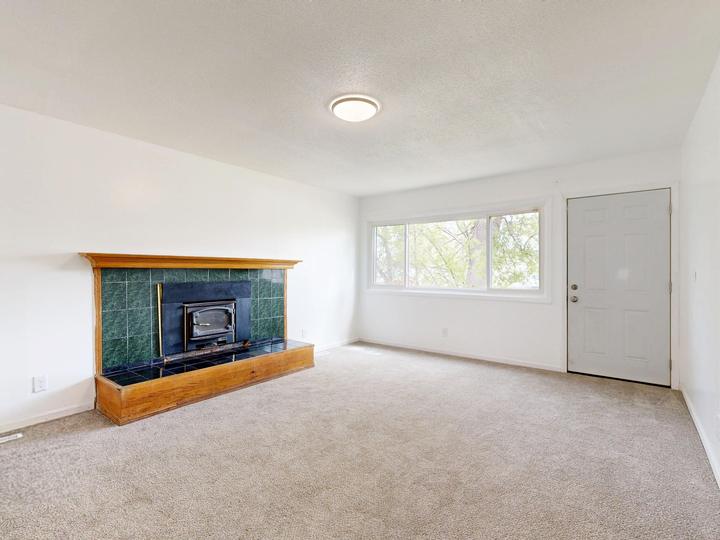
Chimney Repair for Lakeland Homes
Get a practical repair recommendation for damaged chimney parts in Lakeland.
- Licensed & insured
- Owned and run locally
- Family owned and run
- Same-day service available
Get Your Free Inspection
Thank you for the details
We will follow up to agree on an appointment.
Prefer the phone? Call (863) 312-5129
Free inspectionPrice in writing first
Chimney Repair: Nothing gets swept, patched or rebuilt until you have read the price on paper. The first look at your chimney costs nothing.
What a Visit From Our Lakeland Team Looks Like
Chimney repair fixes the one part of the structure that has failed, such as loose brick, cracked mortar joints, a broken crown or worn flashing. The work starts by finding which component let water or heat through. A written scope then names each repair, so you can see what changes and what stays as it is.
-
Family owned and run
Call a family-run business about the problem affecting your fireplace.
-
Upfront pricing
Know what you are authorizing: the task, relevant exclusions and price.
-
Workmanship warranty
Keep a clear record of the workmanship covered after your repair.
Signs It Is Time to Call
Loose bricks, a cracked crown or mortar crumbs on the hearth: chimney repair starts with finding out which part actually failed. We are a family-owned company working out of our Lakeland office on Providence Rd, and we take repair calls only from Lakeland, Winter Haven and Auburndale. You get the free inspection first, followed by a written estimate with the price stated upfront.
- Fallen mortar or fragments
- An unstable-looking chimney component
- Damage that has worsened since the last service
Jump to
The Work, Explained
Start with the part that needs work
Chimney repair is a broad label. It can mean restoring damaged mortar, replacing a failed top component or addressing a connection that lets water through. Our Lakeland team narrows that label to a described task. Tell us what fell, moved, leaked or changed so the first conversation is about your concern rather than a generic package.
Check whether the remaining material is sound
The edge of the visible damage may not be the correct repair boundary. Material kept in place has to be suitable for the intended repair. Ask how that boundary was selected and why a larger section is recommended if the damage looked small from below. The explanation should connect the proposed extent to the condition.
Make access part of the agreement
Roof position, nearby surfaces and the location of the repair affect how work is organized. A proposal should account for reaching the job and protecting the surrounding home. These practical details can change the scope even when the damaged component is familiar. Discuss them before comparing two proposals that appear to describe the same task.
Keep a record of the decision
A useful work record identifies the component and the repair performed. Keep it with previous chimney information. If another issue appears later, that history helps distinguish the new concern from the original job. Our workmanship warranty applies to completed repair workmanship; ask how it relates to the task being approved.
Put the repair recommendation in writing
A chimney repair contractor should be able to explain why the particular task is needed. When comparing chimney repair services, look at the retained material and the proposed replacement area. Your chimney repair company should clarify a request to fix chimney damage instead of leaving the job described by a broad label alone.
Chimney restoration may include several tasks that should be listed separately. A fireplace chimney repair concern can involve more than the visible stack. Where chimney and roof repair meet, define who handles the transition. Chimney damage repair becomes easier to evaluate when the estimate explains those limits.
Read a repair estimate by the component
Start with the part named in the estimate. A chimney crown, a damaged joint and an appliance component are not different names for one repair. The description should let you locate the task within the system and understand why it is being recommended. If the quote only says chimney repair, ask for the affected area and intended result. That extra detail helps you compare options and makes the record useful later. It also prevents a small completed job from being remembered as an overhaul of every part connected to the fireplace.
Decide whether the problem concerns material or a connection
Deteriorated masonry requires a different response from a failed connection between otherwise serviceable components. The former may involve an area of brick or mortar; the latter may concern a roof junction or a system-specific part. A surface covering does not answer both questions. Ask the service recommendation to identify what has deteriorated and what remains dependable. The Brick Industry Association's maintenance guidance emphasizes investigating the condition before selecting a repair. That principle is useful for a Lakeland homeowner deciding whether a proposed patch actually addresses the reason for the service call.
Understand partial removal before agreeing to it
Removing a damaged piece can reveal the condition of material that was previously hidden. Discuss how far the initial work is intended to go and how a changed recommendation will be explained if more damage becomes visible. The agreed price should relate to an understandable scope. If additional work is needed, ask for the reason, the revised boundary and the cost before authorization. There is no need to approach the active work area to understand the decision; a clear description and suitable project photographs can show why the initial repair boundary needs to change.
Make material matching a separate conversation
Mortar appearance, brick size, texture and weathered surfaces can affect how a repair blends into an older chimney. A close visual match is a worthwhile goal, but appearance should not override material suitability. Ask which attributes can reasonably be matched and which differences may remain visible. If a broader refinishing project is being considered, discuss that separately from the repair that restores a component. Written expectations are especially helpful when the chimney is a noticeable feature of the home and a homeowner is comparing a localized intervention with a larger appearance-focused project.
Find the right connection to other service pages
A recurring water symptom deserves a leak repair assessment even when masonry is part of the eventual scope. Work limited to deteriorated joints or units is described under masonry repair. A damaged surface at the top may call for crown repair, while accumulated deposits belong in a cleaning conversation. These distinctions make a combined estimate easier to understand. Each task should have a reason and an outcome, rather than appearing as a package of repairs whose individual purposes are left unexplained.
Plan for access, protection and cleanup
The working route can matter as much as the component itself. A narrow side yard, landscaping, a room in use or an attached structure may affect how the job is organized. Mention practical constraints when arranging the assessment, including pets and belongings near the hearth. Ask how adjoining surfaces and the occupied room will be considered in the work plan. Cleanup should also have a clear boundary: removing repair debris is different from renovating unrelated finishes. You should be able to understand how the home will be left when the agreed chimney task is complete.
Check the reason for any replacement part
A familiar shape or matching measurement does not necessarily establish compatibility with a manufactured fireplace or venting assembly. Keep available labels, manuals and previous component records. Manufacturer instructions identify the systems their parts belong to and may limit substitutions. If a quoted repair includes a replacement component, ask what identifies it as suitable. This is particularly important when the fireplace has been changed over time. A masonry exterior, a decorative surround and the appliance behind it can tell different stories, so the repair should follow the installed system rather than a visual guess.
Keep authorization and completion clear
Our initial inspection is free, and paid repairs are agreed separately. Before work begins, know the recommended task, its price and any related work being left for another contractor or another visit. At completion, keep the description of the repaired component with care or operating instructions relevant to it. Ask whether any finding remains unresolved and whether it affects use of the fireplace. A useful completion conversation tells you what changed and what still needs attention. If a symptom returns later, that record supports a focused follow-up instead of restarting from an uncertain description of past work.
What Your Free Inspection Covers
- Which part of your fireplace or venting needs work
- The preparation needed to reach and treat that part
- The proposed replacement or repair materials
- An itemized explanation of the task and agreed price
Planning Your Chimney Repair
-
Tell us what changed
Explain the fireplace arrangement and the symptom you noticed.
-
Locate the concern
The assessment connects visible findings to the installed components.
-
Choose the work
Decide on the described scope after reviewing the quote.
-
Keep the record
Save the completed task, any limitations and care instructions.
More Specific Jobs Under This Service
A Service Offer After Your Inspection
After the free inspection, you have 72 hours to book any service with 10% off.

Urgent Chimney Concern?
Arrange service after immediate hazards have been addressed.
For fire, suspected gas or a carbon monoxide alarm, leave and call 911 from outside.
Questions Lakeland Homeowners Ask Us
Who repairs chimneys?
A chimney and masonry company repairs chimneys, since the job ties together brick, mortar, the crown, the flue and the flashing. Lakeland Chimney Service handles each of those parts with its own experienced crew, while a roofer may still handle the shingles around the chimney.
Who is responsible for chimney repair?
The property owner is responsible for chimney repair on a house they own, including the brick, crown, cap and flue. In a rented home, the lease and Florida's landlord and tenant law set who handles repairs. In a condo, the association documents decide whether the chimney is a common element, so check them before work is scheduled.
Can a chimney be repaired instead of replaced?
Yes. Chimney damage is usually repaired in place by replacing only the failed part, such as a cracked crown, loose brick or worn mortar joints. A rebuild is needed when the stack leans, bricks are loose over a wide area or water has damaged the masonry deep inside. The inspection shows which of those applies.
Chimney Repair by Town
Chimney & Fireplace Brands We Work With



Thank you for the details
We will follow up to agree on an appointment.