Chimney Masonry Repair for Lakeland Homes
Assess deteriorated brickwork and joints before deciding how much material needs replacement.
- Family owned and operated
- Upfront pricing
- Workmanship warranty



What the Work Includes
- Which part of your fireplace or venting needs work
- The preparation needed to reach and treat that part
- The proposed replacement or repair materials
- An itemized explanation of the task and agreed price
On this page
Understanding the Work
Distinguish units from joints
A masonry chimney includes both the units and the material joining them. A defect in one does not automatically require replacing all of the other. The repair recommendation should identify which material has deteriorated and how far the task extends. Describe any pieces you have found without disturbing loose work above you.
Choose the repair boundary from condition
A neat rectangle is not the only consideration when marking out masonry work. The retained construction must be suitable for the planned repair. Ask why each area is included and whether nearby damage changes the recommendation. A defined boundary gives you a clearer basis for comparison than a general masonry allowance.
Discuss the match realistically
New material may look different beside weathered construction. Ask about the expected appearance and the practical options before work begins. The goal should be stated clearly: restoring damaged masonry, matching a finish as closely as practical, or both. A visual match should not override the requirements of the actual repair.
Address connected entry points separately
Deteriorated masonry can exist alongside a crown, cap or roof-junction concern. If another task is recommended, it should be named and explained. The estimate should help you see what the masonry repair covers and what remains outside it, so an unresolved connected fault does not get hidden behind fresh material.
Specify the units, joints and limits
A chimney mason can explain whether brick chimney repair involves the units, the surrounding joints or both. Chimney brick repair should not be specified from appearance alone. A sound boundary matters in masonry chimney repair because new work connects to what remains in place.
For chimney crack repair, ask which material is cracked and how it affects the recommendation. Cracked chimney repair should become an explained task before work is authorized. Your chimney masonry contractor should also identify any crown or roof-junction concern that sits outside the masonry portion.
Separate mortar deterioration from damage to a unit
Mortar joints and brick or stone units need to be described separately even when they appear in the same damaged area. Ask whether the proposed work renews joints, replaces units or addresses a broader section. A surface patch may change appearance without explaining the condition beneath it. The provider should identify the finding that supports the selected method and the material that can remain. If loose fragments are present, avoid standing beneath them or testing their attachment by hand. You can point out the location from a safe position while the assessment establishes what preparation and access are appropriate.
Consider the surrounding masonry before defining the patch
A repair joins new work to an existing assembly. Its boundary should follow the condition of that assembly rather than the smallest outline visible in a photograph. Ask why the retained material is suitable and whether damage continues into an area that has not yet been examined. If more access is needed, that uncertainty should be described before the job is priced as a complete correction. A narrow repair can be appropriate in sound surrounding construction. A larger removal may be needed where the attachment or material below it is deteriorated. Neither choice should be sold merely as the cheapest or most comprehensive package.
Compare repair materials beyond their color
A homeowner may understandably want the finished work to blend with the house. Discuss color, texture and joint appearance, while allowing the technical choice to account for the existing masonry. The Brick Industry Association's maintenance guidance treats material suitability as part of repair planning. A product that looks strong or closely matches the surface is not, for those reasons alone, appropriate for every assembly. Weathered material can differ visibly from new work even when the repair is well considered. Ask what appearance expectation is realistic and whether a painted, rendered or otherwise finished area affects the scope and the way a repair edge will look.
Investigate a recurring pattern instead of hiding it
If the same area has cracked or deteriorated after an earlier repair, its history deserves attention. Provide the previous scope, any known material and what happened afterward. The new recommendation should consider whether an underlying condition or adjoining defect remains. Adding a coating may change the surface without answering that question. Movement or damage extending through several parts may call for broader assessment, which should be explained as its own information-gathering task. Do not push on the chimney, climb to compare cracks or remove a finish to reveal the construction. Safe observations and existing records are the appropriate preparation.
Connect masonry work with the roof and chimney top
Where the repair reaches the roof junction or top surface, ask how those connections are handled. Renewing mortar does not automatically replace flashing, a crown or the internal lining. Several tasks may be included in one project, but their purposes should remain legible. If another trade will complete part of the work, define the order before a finished surface blocks access needed by the next task. A masonry estimate should identify which adjoining components are protected, disturbed or excluded. This prevents a limited repair from being misunderstood as a complete overhaul simply because the same chimney is visible in every line item.
Keep the result useful for later maintenance
Retain the repaired area's description and any material or component information relevant to its care. If a finding remains outside the agreed task, keep it with the record rather than lose it beneath a general completion note. Future service can then distinguish a repaired exterior section from a chimney passage that was never part of the work. Ask what change should prompt another assessment and whether a planned nearby renovation could affect the repair. Clear records are particularly helpful when several providers have worked on different parts over time. They show what actually changed without inventing a history of the whole structure from one finished surface.
Planning Your Chimney Masonry Repair
Tell us what changed
Explain the fireplace arrangement and the symptom you noticed.
Locate the concern
The assessment connects visible findings to the installed components.
Choose the work
Decide on the described scope after reviewing the quote.
Keep the record
Save the completed task, any limitations and care instructions.
What You May Have Noticed
- Crumbling joints
- Damaged masonry units
- Loose fragments below the chimney
Lakeland Service Questions
How should a masonry repair boundary be chosen?
It should follow the condition of the construction and the work required to connect new material to retained material. Ask why the particular area was included.
What should I ask about appearance?
Discuss the likely difference between fresh and aged material before the job. Matching should be considered alongside the practical repair requirements.
Can masonry and water-entry work be separate tasks?
Yes. A joint or unit repair may not address a failed top component or roof transition. Each proposed task should explain the condition it addresses.
Connected Services
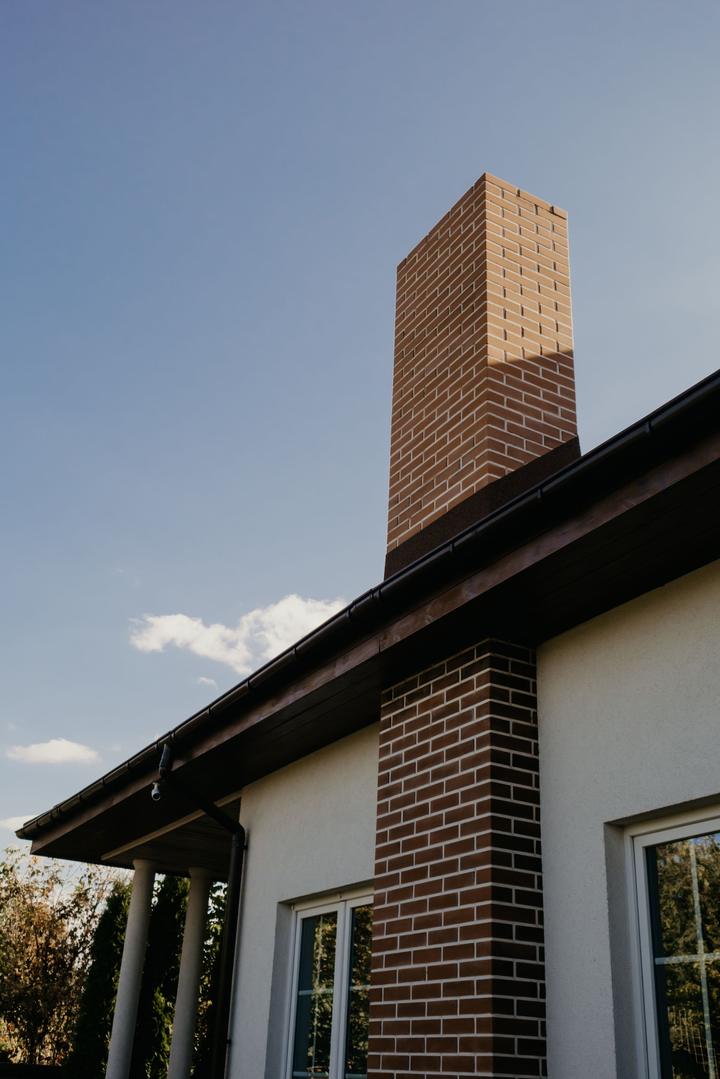

- Chimney RebuildUnderstand when reconstruction is appropriate and exactly how much of the chimney the proposal replaces.
- Chimney WaterproofingDecide whether a masonry water repellent belongs in the maintenance plan after the cause is understood.
- Chimney Crown RepairEvaluate the masonry top and select work appropriate to its remaining condition.
Straightforward Service for a Working Fireplace
Family owned and operated
Speak with a family-run business about the problem affecting your fireplace.
Upfront pricing
Know what you are authorizing: the task, relevant exclusions and price.
Workmanship warranty
Keep a clear record of the workmanship covered after your repair.

Proudly American
We are a local, family-owned business with a practical approach to maintenance and repairs.
Tell Our Lakeland Team What Needs Work
Thank you for the details
We will follow up to agree on an appointment.
Chimney & Fireplace Brands We Work With