Chimney Inspection for Lakeland Homes
Assess the installed chimney and the concern that brought you to it.
- Family owned and operated
- Upfront pricing
- Workmanship warranty



What the Work Includes
- Which part of your fireplace or venting needs work
- The preparation needed to reach and treat that part
- The proposed replacement or repair materials
- An itemized explanation of the task and agreed price
On this page
Understanding the Work
Explain the reason for the appointment
An inspection is most useful when its purpose is clear. You may have noticed moisture, inherited an unfamiliar fireplace or received a repair recommendation you do not understand. Tell us which decision you need to make. That helps keep the visit focused while making room for connected conditions found during the assessment.
Identify what is installed
The appliance, chimney arrangement and accessible component information establish the starting point. A replacement choice should follow the actual system, not only the shape of the opening. Keep model details and available instructions nearby. There is no need to remove a hot cover or dismantle a component to obtain that information.
Ask what remains uncertain
An accessible view is not a claim about concealed construction. The explanation should state any access limits and whether another step is needed before a repair can be specified. A clear distinction between an observation and an assumption gives you a better basis for deciding on work.
Turn the assessment into a decision
You should understand whether the recommendation concerns cleaning, a damaged part or a further investigation. Ask which concern affects operation and what the proposed work is intended to change. The initial inspection is free. Any paid task is a separate recommendation, with a price discussed before you authorize it.
Choose an inspection around the decision you face
A chimney check can begin with several concerns: unfamiliar equipment, a visible defect or a property transaction. A real estate chimney inspection should respond to the actual request rather than an assumed sale requirement. Share any paperwork when booking a chimney inspection for home sale so the purpose can be agreed.
Ask what a fireplace inspection includes before treating it as an assessment of every connected part. A fireplace and chimney inspection should describe both the scope and any access limitation. The phrase chimney safety inspection does not remove those limits. A useful chimney inspection service explains observations, uncertainties and the next decision.
Book around a question you can state clearly
You do not need to know the technical name of a damaged part before contacting Lakeland Chimney Service. Start with the decision you face: using a fireplace after a move, understanding a new stain, comparing a repair proposal or planning an appliance change. That question helps establish the appropriate visit. If someone else has requested an inspection, keep their wording available. The word inspection can describe different scopes, and a free initial assessment should not be assumed to supply every document or examination that a property transaction or another outside process might require.
Create a short history of the installation
Gather the information already available: the appliance manual, a previous cleaning record, invoices for component replacements and photographs from earlier work. Put known dates in order and leave gaps as gaps. It is helpful to know that a fireplace was converted or an insert was fitted, even when the original paperwork is missing. The history supports the assessment without replacing examination of the current condition. Do not remove coverings or climb onto the roof to complete the file. Existing documents and safely taken photographs are enough to begin a focused conversation.
Identify which parts belong to which system
A fireplace opening, its appliance and the chimney above it may not all have the same construction or service requirements. Masonry can surround manufactured components, and previous alterations can leave a combination that needs careful identification. Manufacturer information is useful because it describes the parts and instructions for a particular system. A visual resemblance between components is not an adequate replacement for that identification. Ask how the installed arrangement affects the recommendation and what additional information would be needed before an unfamiliar replacement part or a change of appliance could be specified.
Ask how the finding was reached
An explanation should connect the observed condition to the recommendation. For example, a visible mark is evidence of a symptom, while the proposed entry route may still need to be established. An inaccessible portion remains a limitation, even when the accessible area looks satisfactory. Ask what was examined, what could not be examined and which conclusion follows from the available information. This is not an argument for a longer report by itself. It is a way to make sure the result supports the decision you need to make without turning an assumption into a blanket assurance.
Put competing recommendations side by side
If you already have more than one proposal, bring the descriptions rather than only the total prices. One contractor may be discussing cleaning while another includes repairs to a separate component. An assessment can help identify whether the proposals address the same concern. Ask each recommendation to name the part, intended outcome and unresolved limitation. A difference in scope may explain a difference in cost. Where the cause is still uncertain, the next sensible step may be additional assessment instead of immediately authorizing whichever repair happens to have the most confident wording.
Keep a property deadline separate from technical certainty
A home purchase or sale can create pressure for a quick answer. Share the required timing, the requested document and the parties' stated concern when booking. Ask what the proposed visit can actually establish and whether additional paid work would be needed for the requested scope. An assessment should remain clear about access and concealed construction even when a transaction is approaching. If findings affect use of the fireplace, retain that information with the property's records. A transfer of ownership does not turn an unresolved recommendation into a completed repair or an operating assurance.
Translate findings into an understandable sequence
Some findings lead to maintenance cleaning, others to a component replacement, and water symptoms may require a focused leak investigation. Ask which task comes first and why. If two jobs are related, the estimate should explain their connection and any dependency between them. If a recommendation affects whether the fireplace should be used, clarify that point before the visit ends. You should not need to infer urgency from the order of items on an invoice or assume that every suggested task has the same purpose.
Keep the result useful after the appointment
Record the identified equipment, the concern assessed and any limitation that remains. Save the recommended next steps alongside relevant manuals and older invoices. If repair work later reveals a different condition, this baseline helps explain what changed and why a revised scope is needed. The initial inspection is free; cleaning, repair and further work require their own agreed scope and price. Ask how to provide missing information afterward and how an additional recommendation will be presented. A useful service process gives you enough clarity to authorize the next step without treating the visit as permission for unrelated work.
Planning Your Chimney Inspection
Tell us what changed
Explain the fireplace arrangement and the symptom you noticed.
Locate the concern
The assessment connects visible findings to the installed components.
Choose the work
Decide on the described scope after reviewing the quote.
Keep the record
Save the completed task, any limitations and care instructions.
What You May Have Noticed
- A concern before using an unfamiliar fireplace
- A symptom without an identified cause
- A repair proposal that needs a clearer scope
Lakeland Service Questions
Can I request an assessment before deciding on work?
Yes. The initial inspection helps establish the concern and recommendation. A paid task requires its own scope and approval.
Why would another visit or access step be needed?
Some questions cannot be resolved from the available view. The assessment should explain the limit and the reason for any additional step.
What information should I keep afterward?
Retain the observations, proposed tasks and any unresolved questions with the appliance records. That avoids treating a narrow assessment as a complete replacement history.
Connected Services
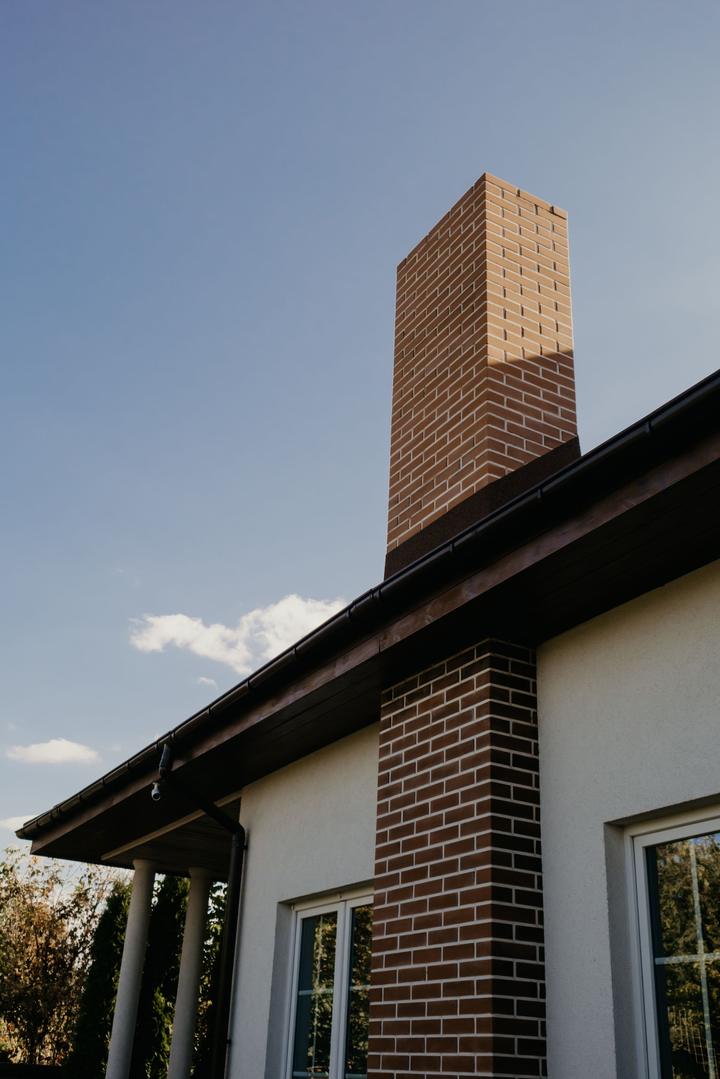

- Chimney Sweep and Chimney CleaningArrange cleaning for the venting passage, with attention to access and deposit condition.
- Chimney Liner Installation and ReliningPlan relining around the connected appliance, existing passage and a clearly specified liner system.
- Gas Fireplace Repair and ServiceGet a model-specific repair decision for ignition, controls, cleaning and other gas fireplace concerns.
Straightforward Service for a Working Fireplace
Family owned and operated
Speak with a family-run business about the problem affecting your fireplace.
Upfront pricing
Know what you are authorizing: the task, relevant exclusions and price.
Workmanship warranty
Keep a clear record of the workmanship covered after your repair.

Proudly American
We are a local, family-owned business with a practical approach to maintenance and repairs.
Tell Our Lakeland Team What Needs Work
Thank you for the details
We will follow up to agree on an appointment.
Chimney & Fireplace Brands We Work With