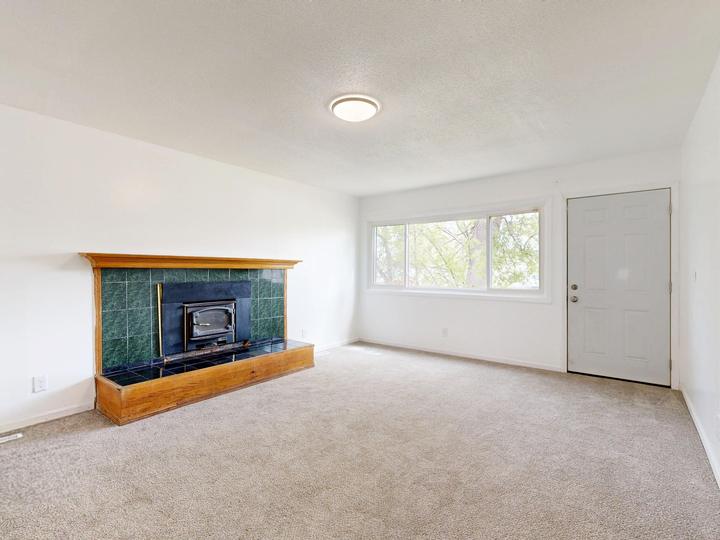
Prefab Fireplace Repair for Lakeland Homes
Identify the factory-built system before replacing panels, doors or connected chimney parts.
- Licensed & insured
- Owned and run locally
- Family owned and run
- Same-day service available
Get Your Free Inspection
Thank you for the details
We will follow up to agree on an appointment.
Prefer the phone? Call (863) 312-5129
What Your Free Inspection Covers
- Establish product and connected system
- Identify appliance versus surround damage
- Confirm component compatibility and availability
- Explain access, restoration and remaining needs
Jump to
The Work, Explained
Begin with the installed product records
An owner manual, earlier invoice or accessible model label can help establish which appliance is present. Do not remove panels or electrical covers to search for it before the visit. Factory-built fireplace repair needs the correct product identity because similar-looking units can require different components. If records are missing, say so and let identification form part of the assessment. A photograph may help recognize the style but should not be treated as conclusive evidence of compatibility. The proposed repair should name the appliance or explain what remains to be confirmed.
Separate internal panel damage from surrounding finish work
Refractory panel replacement concerns a component within the appliance. Cracked tile or stone around the outside may belong to another construction task. Explain the location of the concern so the service does not begin with the wrong assumption. Zero clearance fireplace repair is a common description for this product category, but it does not eliminate model-specific requirements. A generic panel or ordinary masonry patch should not replace the specified component without an appropriate basis. The estimate should identify the affected part and the surrounding material that remains unchanged.
Keep the connected chimney within its own system
Prefab chimney repair can involve pipe, support or termination components distinct from the fireplace itself. Metal chimney repair should follow the identified system rather than a collection of pieces selected for physical fit. Ask which component is affected and whether the assessment found another concern beyond it. A new termination does not automatically renew the appliance below, and an internal panel repair does not settle the condition of the vent route. Keeping these boundaries visible allows the homeowner to understand why more than one task may be discussed without assuming every repair requires full replacement.
Evaluate parts availability before promising completion
An older product may have limited replacement options. Ask whether the correct part can be obtained and what evidence supports a proposed alternative. Metal fireplace repair should not proceed through an improvised substitute merely to avoid a replacement discussion. If a suitable repair cannot be confirmed, explain the next assessment or installation option separately. The homeowner should understand the reason for that recommendation and what surrounding construction a new appliance might affect. Availability is a practical fact to establish, not a reason to bypass the requirements of the original system.
Plan access without unnecessary finish damage
The repair may require access through an opening or surrounding finish. The scope should explain what will be disturbed and who restores it. Decorative materials should not be removed by the homeowner in advance unless a specific safe preparation task has been agreed. If access reveals another condition, the revised recommendation should be discussed before additional work proceeds. A clearly defined access plan is especially helpful where a fireplace is integrated into cabinetry or a finished feature wall. The owner should know which part of the project is appliance service and which is restoration of surrounding construction.
Keep the system identity available for maintenance
Retain the model, repaired component and any remaining recommendation after the visit. Future cleaning or fireplace service can then begin with the actual installation. If a replacement appliance is eventually considered, installation planning should account for the retained host construction and connected chimney. Do not operate a unit with an unresolved damage or operating concern simply because one visible part has been renewed. Ask what must be complete before use and report any later abnormal behavior as a fresh observation requiring the appropriate response.

What a Visit From Our Lakeland Team Looks Like
Prefab fireplace repair fixes factory-built units, replacing cracked refractory panels, damper parts or chimney pipe sections. Each part must match the maker and model, because a prefab fireplace is listed as one tested system and parts from another brand can break that listing.
-
Family owned and run
Call a family-owned business that explains the job before any work begins.
-
Owned and run locally
Locally owned and operated from our Lakeland office, with work limited to Lakeland, Winter Haven and Auburndale.
-
No hidden fees
The agreed task and price are discussed together. Added work requires another conversation.
-
Workmanship warranty
Repair workmanship is backed by a warranty. Ask what the completed job covers and how to care for it.
A Service Offer After Your Inspection
After the free inspection, you have 72 hours to book any service with 10% off.
Questions Lakeland Homeowners Ask Us
What is the difference between a masonry and a prefab fireplace?
A masonry fireplace is built on site from brick or stone with a firebrick firebox and a masonry chimney. A prefab fireplace is a factory-built metal box with refractory panels and a listed metal chimney pipe, tested and installed as one system. Repairs to a prefab unit must use parts listed for that model.
Can prefab fireplace panels be replaced?
Yes. The refractory panels lining a prefab firebox are made to be replaced when they crack, crumble or show gaps. New panels must match the maker and model so they fit and keep the listed clearances, since broken panels let heat reach the metal shell and framing.
Why is my prefab chimney leaking?
A prefab chimney leaks where its parts meet the weather, such as a rusted chase cover or a cracked storm collar. Gaps in the siding of the framed chase let water in too. Water then drips onto the firebox top and the floor. Replacing the cover and resealing the collar stop most of these leaks.
What is a zero clearance prefab fireplace?
A zero clearance fireplace is a prefab unit whose insulated metal shell can sit close to wood framing within its listed clearances. Its firebox is lined with refractory panels, and it vents through a matching metal chimney pipe. The clearances only hold when the unit and its parts stay as the maker designed them.
Chimney & Fireplace Brands We Work With






Call a Chimney Company That Stays Local
Calling from Lakeland, Winter Haven or Auburndale? Tell us what the fireplace or chimney is doing, and we will set up a free inspection, quote the job in writing and start only after you say yes.