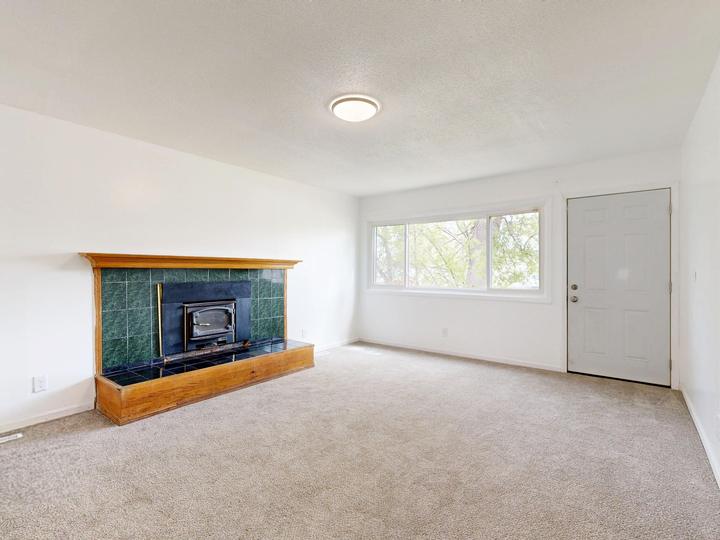
Old Gas Fireplace Letting Water In
Rain reaching an older gas unit is following the vent. Finding where it enters comes before any relighting.
- Licensed & insured
- Owned and run locally
- Family owned and run
- Same-day service available
Get Your Free Inspection
Thank you for the details
We will follow up to agree on an appointment.
Prefer the phone? Call (863) 312-5129
Short version
An old gas fireplace letting water in is usually taking rain through the vent at the roof, the flashing around it or the top of the chimney it sits in. Do not relight the unit while it is wet. Water in the firebox or on the controls should be looked at by a professional before the unit is used again.
Jump to
The Work, Explained
Where the water gets in
Rain has only a few ways into a gas fireplace, and every one runs along the vent. An older system may have lost the parts that kept it watertight.
- A vent cap that is missing, crushed or rusted through: rain falls straight down the vent into the unit.
- Roof flashing or a roof jack that has lifted or cracked: water follows the pipe down inside the wall.
- A cracked crown or loose cap on a masonry chimney that the gas unit vents through: water runs down the flue into the firebox.
- A damper or closure on an older unit that no longer seals: the opening lets in rain and drafts.
- A wall termination with a failed seal around it: water tracks along the pipe at the wall.
What to do first
Stop using the unit and keep it off while it is wet. Water on the burner area, controls or logs should not be lit through. Put a tray under the drip and keep people away from wet electrical parts near the fireplace.
If you smell gas, leave the house and call the gas utility or 911 from outside. If a carbon monoxide alarm sounds, get everyone out and call 911 from outside. The U.S. Fire Administration says carbon monoxide poisoning can occur when a fuel-burning appliance is not working or vented properly, and a vent full of water or debris is not venting properly.
What the Florida code says about the vent top
- Chimney
- Cricket
- Roofing
The 2023 Florida Building Code, Residential, section G2427.6.6 says gas vents shall extend through the roof flashing, roof jack or roof thimble and terminate with a listed cap or listed roof assembly. Section G2427.6.4.1 adds that decorative shrouds shall not be installed at the termination of gas vents unless they are listed for use with that venting system. A cap swapped for a decorative one, or a vent without its own flashing, can let water in.
On a masonry chimney, section R1003.9.1 requires a cap with a drip edge, sloped to shed water, and section R1003.20 requires a cricket where the chimney dimension parallel to the ridgeline is greater than 30 inches and the chimney does not intersect the ridgeline, flashed and counterflashed like the chimney itself.
Old fashioned gas fireplace, what is different
Older units were installed under earlier rules and may still use a damper, an open flue or parts that are no longer made. Section G2434.1 requires vented gas fireplaces to be listed to the ANSI Z21.50 standard and installed according to the manufacturer's instructions, so replacement parts and any vent changes should follow the unit's own manual. We do not guess at parts for a unit whose label we cannot read.
How to light an old gas fireplace
Follow the lighting instructions on the unit's label or the maker's manual, and do not light an appliance that has had water in it. If the unit sat unused or got wet, have it looked at before it is relit. A technician checks the vent, the burner area and the shutoff before the unit is used again. If you cannot find instructions, do not improvise.
How a technician finds the entry point
The crew traces water from the inside out. They check the firebox and vent, then go to the roof to look at the cap, the flashing and the chimney top. Water tests with a hose are used only when the job calls for it, and we explain what we find before any repair starts.
The leak is repaired through our chimney leak repair service. We are a local, family-owned company with an experienced crew in Lakeland, Proudly American. Call (863) 312-5129 for a free inspection and a free written estimate.
Sources
- 2023 Florida Building Code, Residential, Chapter 24, Fuel Gas: Sections G2427.6.4, G2427.6.6 and G2434.1 on gas vent terminations and vented gas fireplaces.
- 2023 Florida Building Code, Residential, Chapter 10, Chimneys and Fireplaces: Sections R1001.7.1, R1003.9, R1003.9.1, R1003.9.2, R1003.10, R1003.10.1, R1003.20 and R1006.1.
- U.S. Fire Administration, Carbon Monoxide: Carbon monoxide from fuel-burning appliances that are not vented properly, and keeping vents clear.
- Chimney Safety Institute of America, Homeowner Resources: Annual inspection under NFPA 211, glazed creosote, sweeping thresholds, chemical cleaners, chimney odor and air drawn down a flue.
Urgent Chimney Concern?
Arrange service after immediate hazards have been addressed.
For fire, suspected gas or a carbon monoxide alarm, leave and call 911 from outside.
What a Visit From Our Lakeland Team Looks Like
-
Family owned and run
Call a family-owned business that explains the job before any work begins.
-
Owned and run locally
Locally owned and operated from our Lakeland office, with work limited to Lakeland, Winter Haven and Auburndale.
-
No hidden fees
The agreed task and price are discussed together. Added work requires another conversation.
-
Workmanship warranty
Repair workmanship is backed by a warranty. Ask what the completed job covers and how to care for it.
Questions Lakeland Homeowners Ask Us
Why is my gas fireplace leaking water?
Rain is usually entering at the vent cap, the roof flashing or the top of the chimney the unit vents through. A missing cap or a lifted flashing sends water straight down the vent. Keep the unit off until a professional finds the entry point.
Why is my gas fireplace letting in cold air?
Air is probably coming down the vent or through a damper that no longer seals. The Chimney Safety Institute of America says air pulled down an unused flue is a symptom of pressure problems in the house, and a tight-sealing top damper can reduce it. A technician can check the closure.
What is a vented gas fireplace?
It is a gas fireplace that sends its combustion gases outside through a vent or chimney. The Florida Building Code requires vented gas fireplaces to be listed to ANSI Z21.50 and installed to the maker's instructions. The vent must end in a listed cap or roof assembly.
Call a Chimney Company That Stays Local
Calling from Lakeland, Winter Haven or Auburndale? Tell us what the fireplace or chimney is doing, and we will set up a free inspection, quote the job in writing and start only after you say yes.