
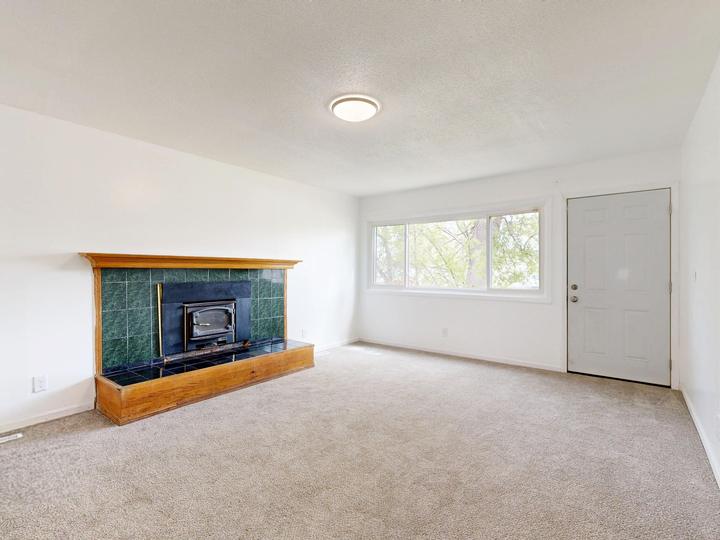
Best Firewood for Your Lakeland Fireplace
Choose suitable dry fuel without confusing it with chimney maintenance.
By Lakeland Chimney Service ·
At a glance
Suitable firewood is dry, untreated wood that is allowed by the instructions for your fireplace or appliance. Wet fuel and inappropriate materials can create operating problems. Before a Lakeland homeowner returns a fireplace to use, check the fuel and the appliance guidance separately from the chimney condition. Good firewood does not make an unassessed or damaged system ready to operate.
On this page
Understanding the Work
Begin with the appliance instructions
The fuel permitted in an open fireplace is not automatically the same as that permitted in every insert or appliance. Keep the manufacturer instructions as the starting point. A bagged or manufactured product should also be checked against that guidance. Packaging that describes a product as convenient does not establish that it belongs in the equipment you own.
Choose dry, untreated material
The EPA archived Burn Wise guidance recommends dry wood and warns against burning wet wood, household rubbish and treated materials. That guidance remains useful background, but it does not replace your appliance instructions. Keep the fuel question specific: what material is this, how was it stored and is it appropriate for this fireplace?
Think about storage before bringing logs indoors
Wood kept in conditions that trap moisture may not be ready simply because it has been stored for a long time. Organize storage so the fuel can dry and remain protected from direct wetting. Bring only the amount you intend to use into the room, and keep combustible material away from the fireplace according to the operating instructions.
Treat manufactured logs as a separate product
Do not assume that a manufactured log can be handled exactly like split firewood. Read its directions and the fireplace instructions together. If they conflict or compatibility is unclear, obtain the appropriate product guidance before use. Mixing fuels or altering a product to make it burn differently is not a substitute for following its intended use.
Keep fuel quality separate from chimney condition
Better fuel does not remove existing deposits or repair a damaged component. If the fireplace history is unknown or you have noticed soot, smoke or loose material, arrange an assessment before relying on a new load of wood to solve it. The chimney sweep service addresses accumulated material as a maintenance task.
Stop when operation changes
An unusual smoke condition, a fault or a safety alarm deserves attention. Do not continue adding fuel to see whether the problem improves. A fire or carbon monoxide alarm calls for immediate evacuation to fresh air. Phone 911 only after reaching a safe location outdoors. Explain the previous fuel and operation during the later service conversation without trying to reproduce the event.
Questions About Species and Seasoning
The best wood to burn in fireplace use must first be appropriate to the appliance and dry enough for its intended operation. Seasoned firewood is not a guarantee of present condition if it has since been stored poorly. Can you burn pine in a fireplace? Check the appliance instructions and the condition of the wood rather than treating a species name as permission for every unit. What not to burn in a fireplace is equally important: treated materials and household waste do not become suitable fuel because they are available.
Why a seasoning label is only part of the answer
A seller's description does not tell you everything about the wood's present condition. Storage after purchase can change how suitable the fuel is for use. Ask what the product is, how it has been kept and whether it matches your appliance instructions. A species name or a claim that wood is seasoned should not replace those questions. If you cannot establish that the material is appropriate, obtain better information before burning it. This is especially relevant when a new homeowner inherits a stack of unknown wood along with an unfamiliar fireplace and no clear operating records.
Keep a fuel purchase separate from a service decision
Buying a different load of wood can be sensible, but it does not resolve a maintenance history that is unknown. If the fireplace has been unused for a long period or has shown an operating concern, arrange the relevant assessment before relying on improved fuel. A sweep can address reachable deposits; an inspection considers its own condition questions. The fuel choice and those service tasks answer different problems. Combining them into the assumption that fresh wood makes everything ready can overlook the very concern that prompted you to reconsider using the fireplace.
Plan storage around household safety and product guidance
Store fuel so it does not obstruct access or become an informal extension of the hearth. Follow the fireplace's instructions for keeping combustible items away from the appliance. A decorative basket beside a fireplace still contains combustible material, even when it suits the room's appearance. Ask about the amount and location appropriate to the particular setup if the instructions are unclear. Do not store packaging or unwanted household material with firewood in a way that encourages burning it later. The fuel area should support the intended use of the appliance rather than turn disposal into a reason to add unsuitable material.
Use a change in behavior as information for service
If smoke or another unusual condition occurred with a particular fuel, remember the product and the circumstances for the later service conversation. That information can help, but it is not a diagnosis. Avoid deliberately repeating the event with a second load to prove that the fuel was responsible. Stop use where the condition is unresolved and follow emergency guidance for an alarm or active hazard. The next assessment can consider the appliance, passage and operating history together. A responsible fuel choice remains important, but it should not be used to dismiss a symptom that deserves professional attention.
Sources
- EPA Burn Wise archived best practices: Fuel selection and instruction-led appliance operation. Archived guidance noted explicitly.
- Duravent DuraPlus manufacturer information: Use of system-specific parts and applicable manufacturer instructions.
Lakeland Service Questions
Can better wood fix a dirty chimney?
No. Fuel selection and accumulated deposits are separate questions. Existing buildup needs assessment and appropriate maintenance.
Are manufactured logs suitable for every fireplace?
No. Read both the fuel product directions and the appliance instructions before using them together.
Should I burn scrap or treated timber?
The EPA guidance warns against treated materials and household waste. Use fuel that is expressly appropriate for your fireplace.
Tell Our Lakeland Team What Needs Work
Thank you for the details
We will follow up to agree on an appointment.