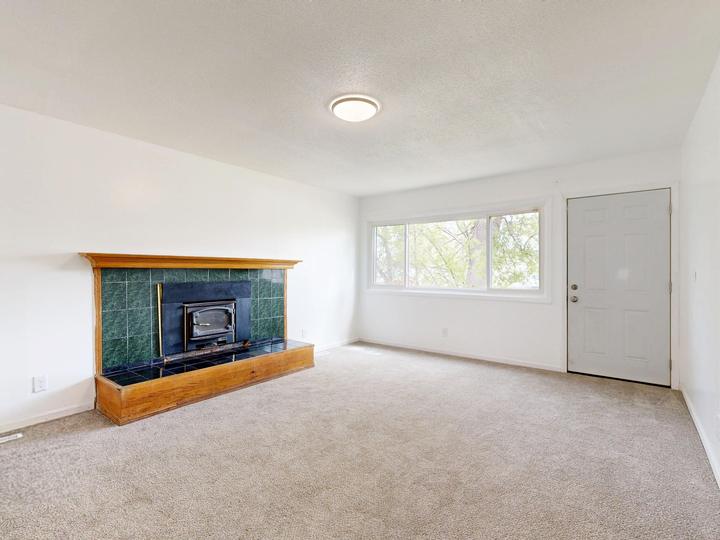
Is a Wood Burning Fireplace Cheaper Than Gas?
Neither fuel always wins. Compare each cost item for your home and how often you really burn.
- Licensed & insured
- Owned and run locally
- Family owned and run
- Same-day service available
Get Your Free Inspection
Thank you for the details
We will follow up to agree on an appointment.
Prefer the phone? Call (863) 312-5129
Short version
Neither a wood fireplace nor a gas fireplace is always cheaper, because cost depends on what you pay for wood or gas, how often you burn and what the installation needs. Wood costs time, storage and upkeep, and gas costs equipment and a gas line. Compare each item for your own home.
Jump to
The Work, Explained
Compare cost item by item
- Flue
- Damper
- Smoke shelf
Running a fireplace costs more than fuel. For a fair comparison, look at each of these items and put your own numbers beside them.
- Fuel: split dry wood bought or cut by you, against gas billed by your utility.
- Storage and handling: a woodpile that must stay dry, against no storage at all.
- Yearly upkeep: a wood fireplace is swept when its inspection finds buildup, and gas units still need yearly service.
- Equipment and installation: a gas fireplace needs a listed appliance and a gas line, a wood fireplace needs a sound firebox and chimney.
- How often you burn: a unit used a few evenings a year spends mostly on upkeep, not fuel.
Wood: the fuel is not the only cost
The EPA advises burning only dry, split, well-seasoned wood, seasoned for at least six months, stored outdoors off the ground with only the top covered, and tested with a moisture meter. Buying wood that is ready to burn costs more than buying wet wood, and cutting your own costs time and space. Wet wood is not a saving, because it makes smoke and soot.
The US Fire Administration says chimneys and vents should be cleaned and inspected at least once a year. For a wood fireplace, that inspection is the standing yearly cost, and a sweep follows when the inspection finds buildup.
Gas: equipment, a gas line and yearly service
A gas fireplace needs a gas supply at the house, and gas work is a trade of its own. The 2023 Florida Building Code, Residential, section G2404.3 says appliances must be listed and labeled for the application in which they are used. The Chimney Safety Institute of America notes that gas-heated homes also need a yearly chimney inspection, because nests or debris can block a flue. A gas unit saves the woodpile and the ash, not the yearly check.
How much you use it changes the answer
If you light the fireplace on a few cool evenings each year, the cost of fuel is small whichever way you go, and the cost that matters is keeping the unit safe and working. If you burn every week of the season, wood fuel and gas bills grow with each fire. Think about use before you compare fuel prices.
Convenience and heat are part of the value
Gas starts with a switch and stops the same way, and wood takes time to build, tend and clean. Wood brings a real fire and its sound and smell. Neither type heats a whole house by itself. If heat is the goal, a sealed insert may make more sense than an open fireplace of either kind.
What conversion or replacement involves
Changing from wood to gas is a job on its own, with a listed appliance, venting and a gas line. If your question is whether to switch, the better first step is an inspection that tells you what the existing firebox and flue can accept.
Getting a straight answer in Lakeland
Our crew is local, family-owned and experienced with both wood and gas hearths. A free inspection of your fireplace and flue is the start of our fireplace installation work, and you get a free written estimate for the option you choose. We are Proudly American, and we will tell you if keeping your wood fireplace is the better value for how you use it.
Sources
- EPA Burn Wise, best wood burning practices (archived, no longer updated): Dry seasoned wood, storage, moisture meter and wood never to burn.
- 2023 Florida Building Code, Residential, chapter 24, fuel gas: Section G2404.3: appliances listed and labeled for the application.
- US Fire Administration, heating fire safety: Yearly cleaning and inspection of chimneys and vents.
- Chimney Safety Institute of America, homeowner resources: Gas-heated homes also need a yearly chimney inspection.
Urgent Chimney Concern?
Arrange service after immediate hazards have been addressed.
For fire, suspected gas or a carbon monoxide alarm, leave and call 911 from outside.
What a Visit From Our Lakeland Team Looks Like
-
Family owned and run
Call a family-owned business that explains the job before any work begins.
-
Owned and run locally
Locally owned and operated from our Lakeland office, with work limited to Lakeland, Winter Haven and Auburndale.
-
No hidden fees
The agreed task and price are discussed together. Added work requires another conversation.
-
Workmanship warranty
Repair workmanship is backed by a warranty. Ask what the completed job covers and how to care for it.

Questions Lakeland Homeowners Ask Us
What is a wood burning gas fireplace?
The phrase is used for gas fireplaces made to look like a wood fire, and sometimes for units sold for more than one fuel. Gas logs have their own venting and damper rules. Ask the maker which fuel a unit is listed for before you use it.
How to remove a wood burning fireplace insert?
Removing a wood insert means disconnecting it from its liner, and the unit is heavy and hot until fully cold. The liner and the firebox behind it should be inspected afterward. Because of the weight and the flue connection, this is work for a crew.
Is it safe to burn cedar wood in a fireplace?
The EPA guidance we read does not name species, but says to burn only dry, split, well-seasoned wood. Wet, painted, treated or glued wood is never safe to burn. Follow the manufacturer's instructions for your fireplace, and keep the damper open and the flue clear whatever you burn.
Call a Chimney Company That Stays Local
Calling from Lakeland, Winter Haven or Auburndale? Tell us what the fireplace or chimney is doing, and we will set up a free inspection, quote the job in writing and start only after you say yes.