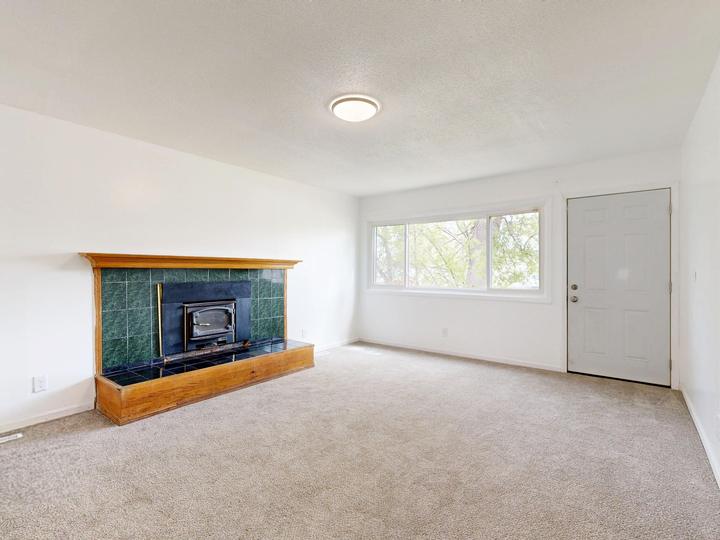
How to Light an Indoor Fireplace in Lakeland, FL
A safe first fire starts with the damper, dry fuel and a flue that has been checked.
- Licensed & insured
- Owned and run locally
- Family owned and run
- Same-day service available
Get Your Free Inspection
Thank you for the details
We will follow up to agree on an appointment.
Prefer the phone? Call (863) 312-5129
Short version
To light an indoor fireplace, open the damper fully, set dry seasoned wood on top of dry kindling, light the kindling with newspaper or a natural fire starter, and keep everything that can burn at least 3 feet away. Never use gasoline or lighter fluid. A fireplace that has sat unused should have its chimney checked first.
Jump to
The Work, Explained
Check the fireplace before you build anything
A fireplace that sits unused for months can build problems quietly. The Chimney Safety Institute of America says even lightly used chimneys need a yearly inspection, because animals nest in flues and parts deteriorate. If this is the first fire in a long time, or your first fire in a new home, have the chimney inspected before you light it.
Look in the firebox for fallen debris, loose brick or leaves, and make sure the screen or doors are in place. If you find a nest, a smell of animals or damage, do not light the fire.
Open the damper all the way
- Flue
- Damper
- Grate
- Hearth
- Chimney masonry
The Chimney Safety Institute of America puts it plainly: the damper should be in the fully open position before you light the fire. A half-open damper is a common reason a fireplace smokes into the room. Check the position by looking up into the throat with a flashlight, and confirm that the handle moves freely.
Leave the damper open while the fire burns and after it dies down. Closing it while coals are still glowing can send smoke and carbon monoxide into the house.
Choose dry wood and the right kindling
The EPA says to burn only dry, split, well-seasoned wood. Seasoned wood is darker, lighter in weight and sounds hollow when two pieces are knocked together, and the EPA advises seasoning for at least six months. Build the fire in this order.
- Lay a few pieces of dry kindling on the grate or hearth floor.
- Set small, dry split logs across the kindling, leaving gaps for air.
- Light the kindling with newspaper or an all-natural fire starter.
- Add a larger log once the kindling is burning well, so the fire stays hot.
- Keep the fire a size the fireplace was built for and do not overload it.
What never goes in the fireplace
The EPA warns against starting a fire with gasoline, kerosene or charcoal starter, and against burning household trash, plastics, painted or pressure-treated wood, plywood, particle board, driftwood or wet and moldy wood. Manufactured logs are a special case: the EPA says to choose logs made of compressed sawdust and to read your appliance instructions first, since many are made for open fireplaces only.
Getting the draft going on a cold flue
- Makeup air
- Fireplace
- Smoke and gases rising
- The house
A flue that is cold and full of damp air resists the first fire, and that is when smoke can drift into the room. Some people warm the flue first with a twist of burning paper held near the open damper. If smoke rolls into the room instead of rising, put the fire out, open a window and have the chimney inspected rather than trying again.
Keep a clear 3 feet and watch the fire
The US Fire Administration says to keep anything that can burn at least 3 feet from all heat sources, fireplaces included. That means rugs, furniture, stockings, paper and decor. Keep a screen or glass doors closed except when loading wood, because the EPA notes that carbon monoxide can enter the home through an open door. Never leave a fire burning while you sleep or leave the house, and keep a fire extinguisher where you can reach it.
When to stop and call a professional
Stop if smoke fills the room, if you smell something burning behind the walls, or if a smoke or carbon monoxide alarm sounds. Get everyone outside into fresh air, then call 911 from outside. Do not relight until the cause is found. Our local, family-owned crew, with its hands-on experience, handles these checks through our fireplace repair work, with Proudly American honesty about what it finds. A free inspection and a free written estimate are the next step, and the guide on sweeps and inspections explains what each visit covers.
Sources
- EPA Burn Wise, best wood burning practices (archived, no longer updated): Dry seasoned wood, kindling, materials never to burn, manufactured logs, closed doors and ashes.
- US Fire Administration, heating fire safety: Keep anything that can burn at least 3 feet from heat sources.
- Chimney Safety Institute of America, homeowner resources: Damper fully open before lighting; yearly inspection even when lightly used.
Urgent Chimney Concern?
Arrange service after immediate hazards have been addressed.
For fire, suspected gas or a carbon monoxide alarm, leave and call 911 from outside.
What a Visit From Our Lakeland Team Looks Like
-
Family owned and run
Call a family-owned business that explains the job before any work begins.
-
Owned and run locally
Locally owned and operated from our Lakeland office, with work limited to Lakeland, Winter Haven and Auburndale.
-
No hidden fees
The agreed task and price are discussed together. Added work requires another conversation.
-
Workmanship warranty
Repair workmanship is backed by a warranty. Ask what the completed job covers and how to care for it.

Questions Lakeland Homeowners Ask Us
Why is my fireplace not lighting?
A fireplace that will not light is usually fed damp wood, too little kindling or too little air. Check that the damper is fully open, switch to dry seasoned wood and build the fire in a loose stack. If smoke rolls into the room, stop and have the flue checked.
How to stop indoor fireplace?
Let the fire burn down on its own and keep the damper open until the ashes are cold. Never close the damper over glowing coals, because smoke and carbon monoxide can enter the room. If the fire gets out of control, leave the house and call 911.
How to clean indoor fireplace?
Wait until the ashes are completely cold. Shovel them into a covered metal container and keep it outdoors on a nonflammable surface, as the EPA advises. Never put ashes in a paper bag or a bin indoors. Soot on the walls of the flue needs a sweep, not a household cleaner.
Call a Chimney Company That Stays Local
Calling from Lakeland, Winter Haven or Auburndale? Tell us what the fireplace or chimney is doing, and we will set up a free inspection, quote the job in writing and start only after you say yes.