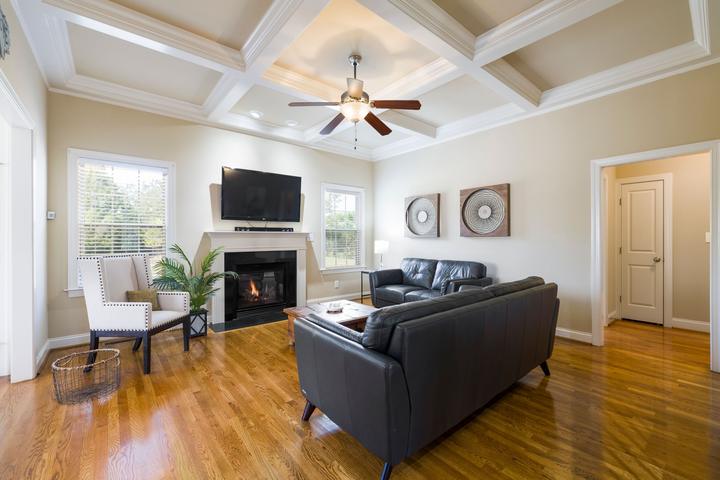
Chimney Chase Repair for Lakeland Homes
Repair a damaged enclosure without losing sight of the chimney system inside it.
- Licensed & insured
- Owned and run locally
- Family owned and run
- Same-day service available
Get Your Free Inspection
Thank you for the details
We will follow up to agree on an appointment.
Prefer the phone? Call (863) 312-5129
What Your Free Inspection Covers
- Identify enclosed chimney components
- Assess finish and underlying materials
- Coordinate water-route repairs
- Document concealed work and retained components
Jump to
The Work, Explained
Begin with what the chase surrounds
The appliance and chimney product records help explain the system within the enclosure. A chase may contain manufactured components with specific spacing, support and installation requirements. Chimney chase framing repair must respect that arrangement; unused-looking space is not permission to fill or alter it. Manufacturer resources such as DuraVent instructions demonstrate why enclosure work cannot be designed from the exterior dimensions alone. Provide the available model information and past work records so the repair can be planned around the actual system rather than a guess about what is behind the siding.
Separate an exterior defect from concealed deterioration
Chimney chase siding repair can be limited to the exterior only when the underlying condition supports that choice. A loose panel, stain or soft-looking area may require further assessment before the finish is replaced. Rotted chimney chase repair involves deteriorated material, not simply a fresh surface. Ask whether opening an area is needed to define the condition and how that access will be restored. Uncertainty should be stated in the proposal instead of concealed within a promise that one small patch will resolve every concern.
Find the water route before closing the enclosure
A damaged top cover, roof junction or another detail can allow water to affect the enclosure. Repairing the visible consequence without addressing an identified entry route may leave the same problem active. Explain any earlier cover replacement, repeated patch or indoor leak when arranging the visit. Chase cover replacement is its own task and should be connected to the enclosure repair where the findings warrant it. The work sequence needs to keep necessary access available until the underlying condition and water detail have both been addressed.
Choose the repair boundary from the condition
Wood chimney chase repair can preserve sound material while replacing a defined damaged area. A chimney chase rebuild is a wider project when the assessed condition requires it. Those descriptions should not be used interchangeably in an estimate. Ask what will remain, which parts need replacement and whether additional assessment is needed around the chimney itself. If damage is discovered beyond the agreed area, the provider should explain it before extending the work. A clear change process is more useful than assuming hidden conditions cannot affect the original scope.
Restore stucco as part of an assembly
Stucco chimney chase repair includes the relationship between the exterior finish and the underlying enclosure. It should not be treated as ordinary plaster patching if sheathing or framing is damaged behind it. The restored face also needs to coordinate with the relevant water-management details and the chosen product instructions. Discuss texture and appearance after the supporting repair has been defined. If another trade is involved, identify which provider completes each layer and junction, so no necessary transition is left between two separately described jobs.
Retain records of the hidden work
Much of a chase repair may be concealed when the exterior is complete. Keep the written scope, materials and any product information with the fireplace records. Ask whether the chimney system itself required attention or whether the work was confined to the enclosure. Do not restart an affected appliance solely because the siding looks finished; follow the service guidance for the actual condition. A later maintenance visit can then distinguish the enclosure repairs from the venting components that remained, avoiding a misleading assumption that the whole installation was replaced.
Related Chimney Services
What a Visit From Our Lakeland Team Looks Like
Chimney chase repair fixes the framed box that houses a factory-built fireplace flue, including rotted wood, loose siding and the cover on top. Chase damage usually starts with water from a rusted cover or a gap in the siding, so the framing and sheathing are repaired before the siding goes back on.
-
Family owned and run
Call a family-owned business that explains the job before any work begins.
-
Owned and run locally
Locally owned and operated from our Lakeland office, with work limited to Lakeland, Winter Haven and Auburndale.
-
No hidden fees
The agreed task and price are discussed together. Added work requires another conversation.
-
Workmanship warranty
Repair workmanship is backed by a warranty. Ask what the completed job covers and how to care for it.
A Service Offer After Your Inspection
After the free inspection, you have 72 hours to book any service with 10% off.
Questions Lakeland Homeowners Ask Us
What affects chimney chase replacement cost?
Chimney chase replacement cost depends on how much framing has rotted, the siding material and the chase height above the roof. Replacing the chase cover and storm collar adds to the job. A chase with sound framing may need only new siding and a cover.
Can a chimney be made of wood?
The flue itself is metal or masonry, but the box around a factory-built chimney is often wood framing. That framed chase with siding encloses a listed metal chimney pipe and keeps the required clearance between pipe and wood. The framing stays sound only with a tight chase cover and siding to keep it dry.
What is a chimney chase cap?
A chimney chase cap is another name for the chase cover, the metal top that seals a framed chase and sheds rain off it. A separate rain cap with mesh then sits over the flue pipe that rises through it. When the chase cap rusts or sags, water gets into the framing below. Rust streaks on the siding are the first sign.
Why does a metal chimney leak in heavy rain?
A metal chimney leaks in heavy rain at its weak joints, such as the storm collar, a flat chase cover and siding gaps. Wind-driven rain pushes water past worn sealant at those spots. Replacing a sagging cover and resealing the storm collar stop most of these leaks.
Chimney & Fireplace Brands We Work With





Call a Chimney Company That Stays Local
Calling from Lakeland, Winter Haven or Auburndale? Tell us what the fireplace or chimney is doing, and we will set up a free inspection, quote the job in writing and start only after you say yes.